
Articles
Cardiac Insights
A curated repository of breakthroughs in computational cardiology. Stay informed on the latest clinical trials, algorithmic validations, and the evolving standards of care that are defining the next generation of heart failure management.
June 1, 2026
Predicting the Future Prevalence of Cardiovascular Diseases: The Good, the Bad, the Known, and the Unknown Factors
Predicting the future is one of the hardest tasks in science—especially when it comes to chronic diseases that affect public health. In this article, I share why cardiovascular diseases are likely to keep rising in the years ahead, looking at population aging, the risk factors we know and the ones we don't yet, and the prevention strategies that could ease this growing burden.
January 24, 2026
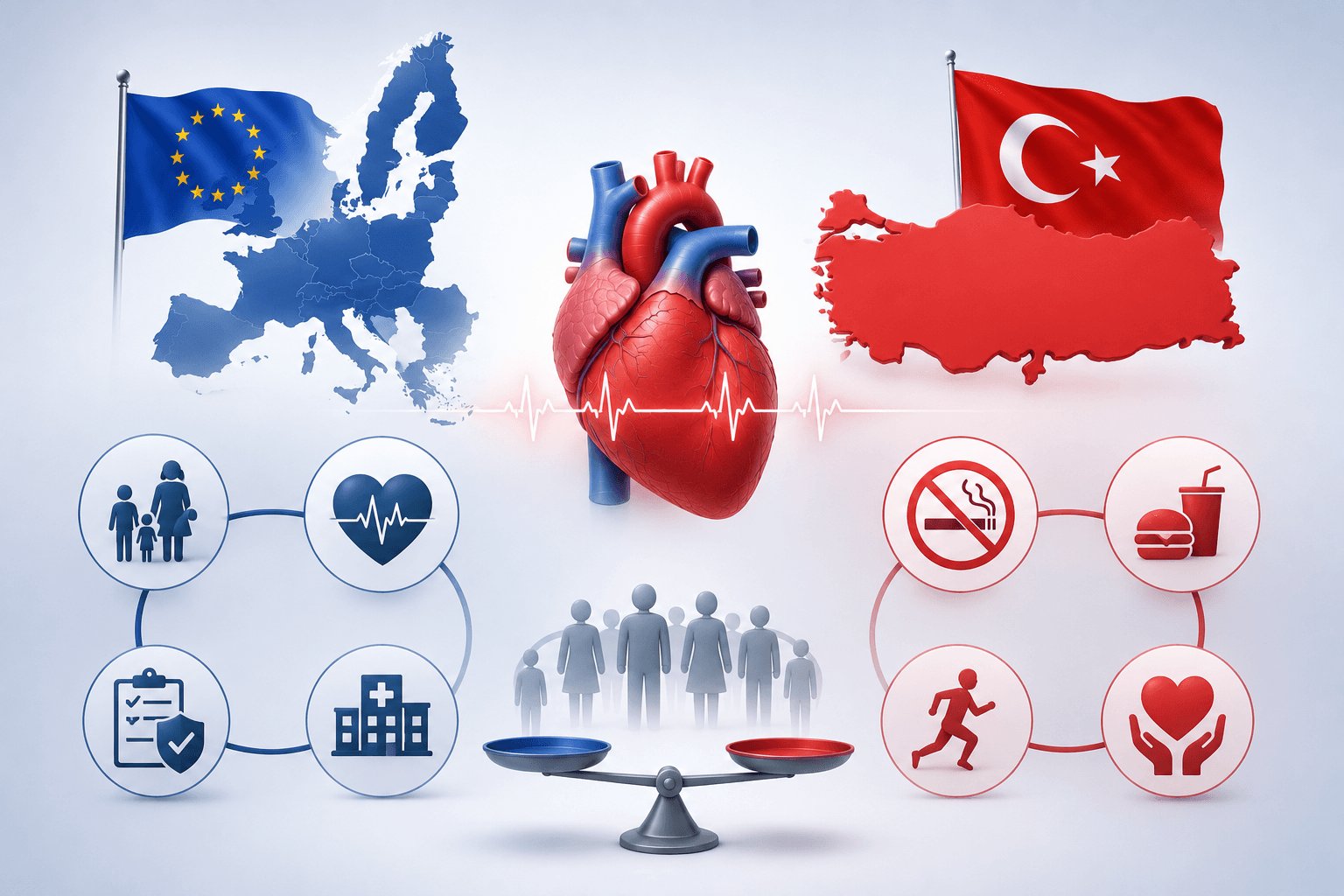
Cardiovascular Health in the European Union and Türkiye
(A Comparative Assessment in Light of OECD Findings) Cardiovascular diseases (CVDs) are among the leading causes of death both in European Union (EU) countries and in Türkiye. OECD data show that, across the EU, approximately one third of all deaths are attributable to CVDs, while in Türkiye, diseases of the circulatory system have consistently ranked […]
January 24, 2026
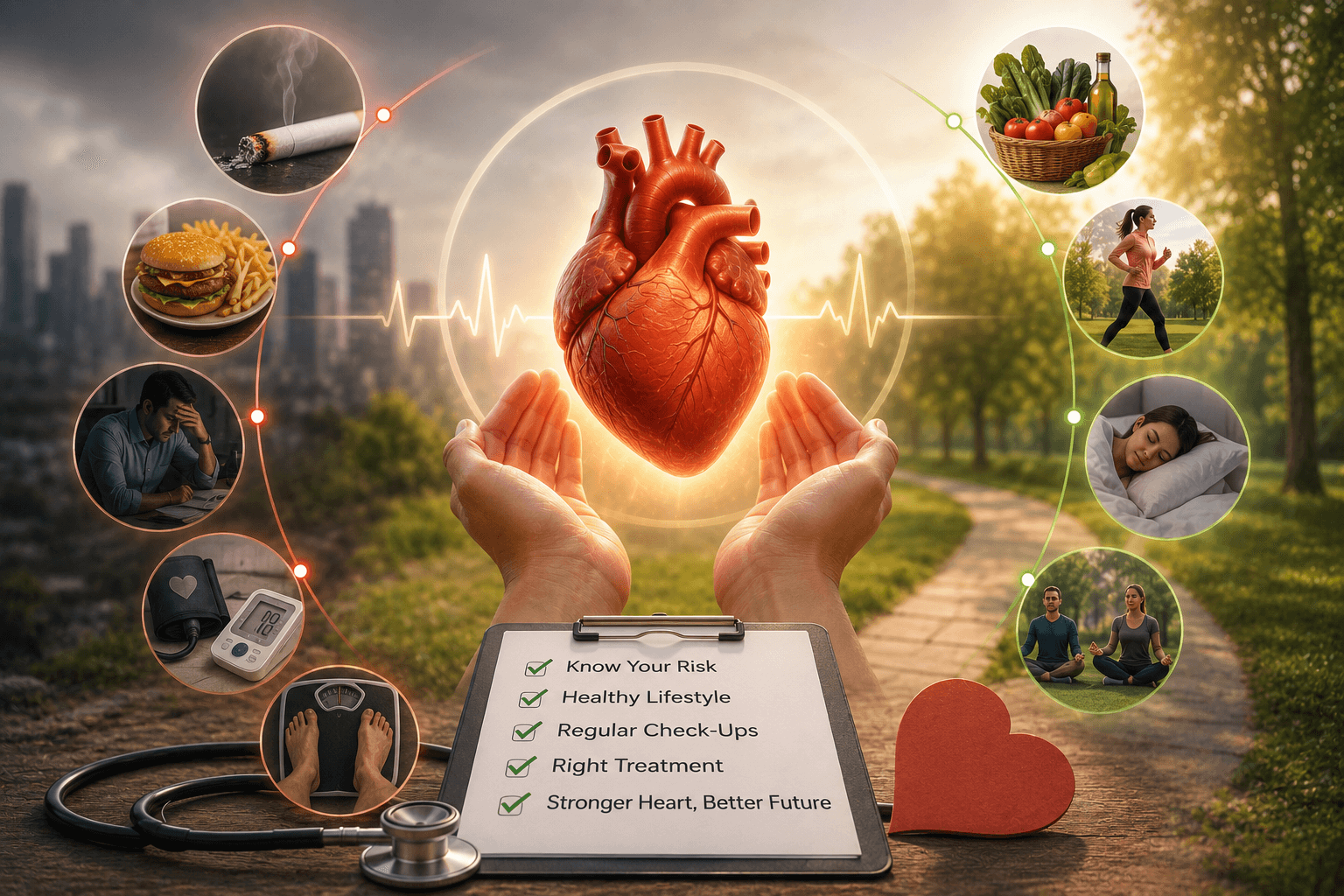
The Silent Truths of the HeartCardiovascular Risk and Preventive Approaches in the Modern Era
Our heart…A silent engine that carries the rhythm of our lives without stopping for a lifetime. Unfortunately, modern life places more strain on this engine than ever before. Stress, work pressure, urban living, lack of sleep, poor nutrition… Everything accumulates, and at some point, that invisible burden we call “risk” emerges. In this article, I […]
January 24, 2026
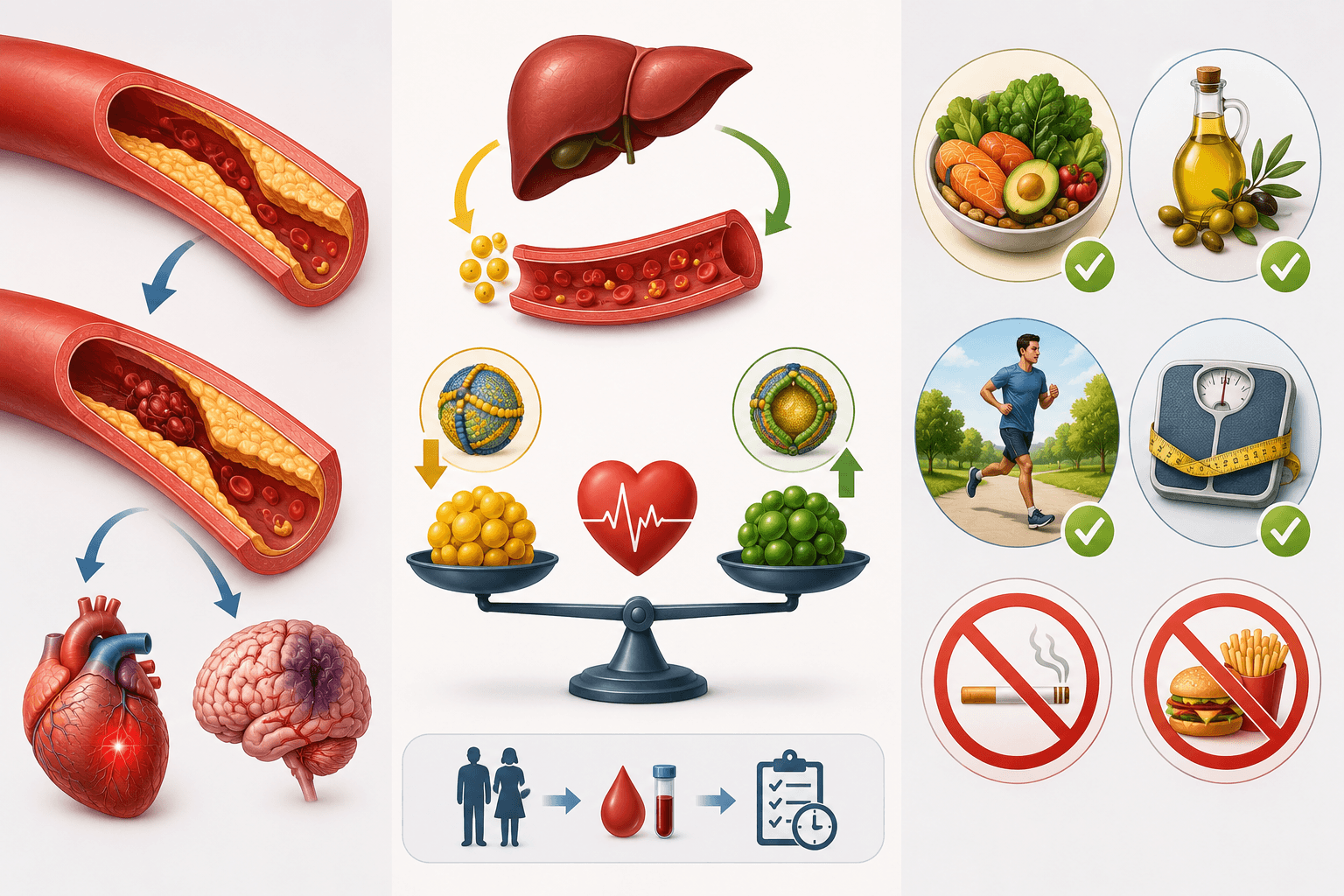
The Hidden Enemy: Cholesterol
Cholesterol is a fat-like substance found in all cells of the body. It is produced in the liver and also obtained from dietary sources. High blood cholesterol levels increase the risk of cardiovascular disease. The higher a person’s cholesterol level is, the greater their likelihood of developing heart disease. In Turkey, cardiovascular disease is the […]
January 24, 2026
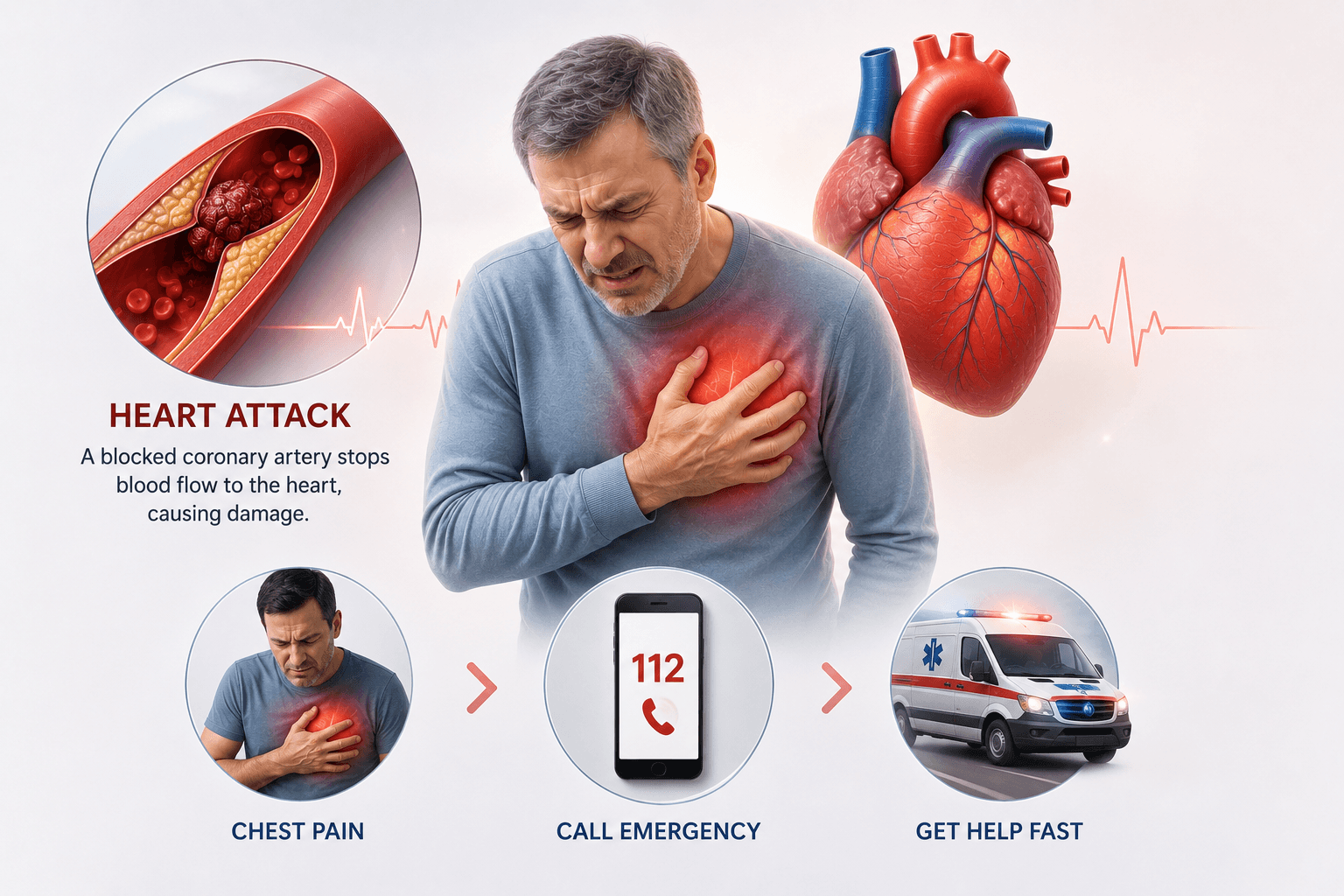
What Is a Heart Attack?
A heart attack, known as myocardial infarction, is a life-threatening condition that occurs when the myocardium—the heart muscle responsible for contraction—cannot receive enough oxygen and nutrients. This typically results from the formation of plaques inside the coronary arteries due to cholesterol accumulation over time. When these plaques narrow the vessel or rupture, a blood clot […]
January 24, 2026
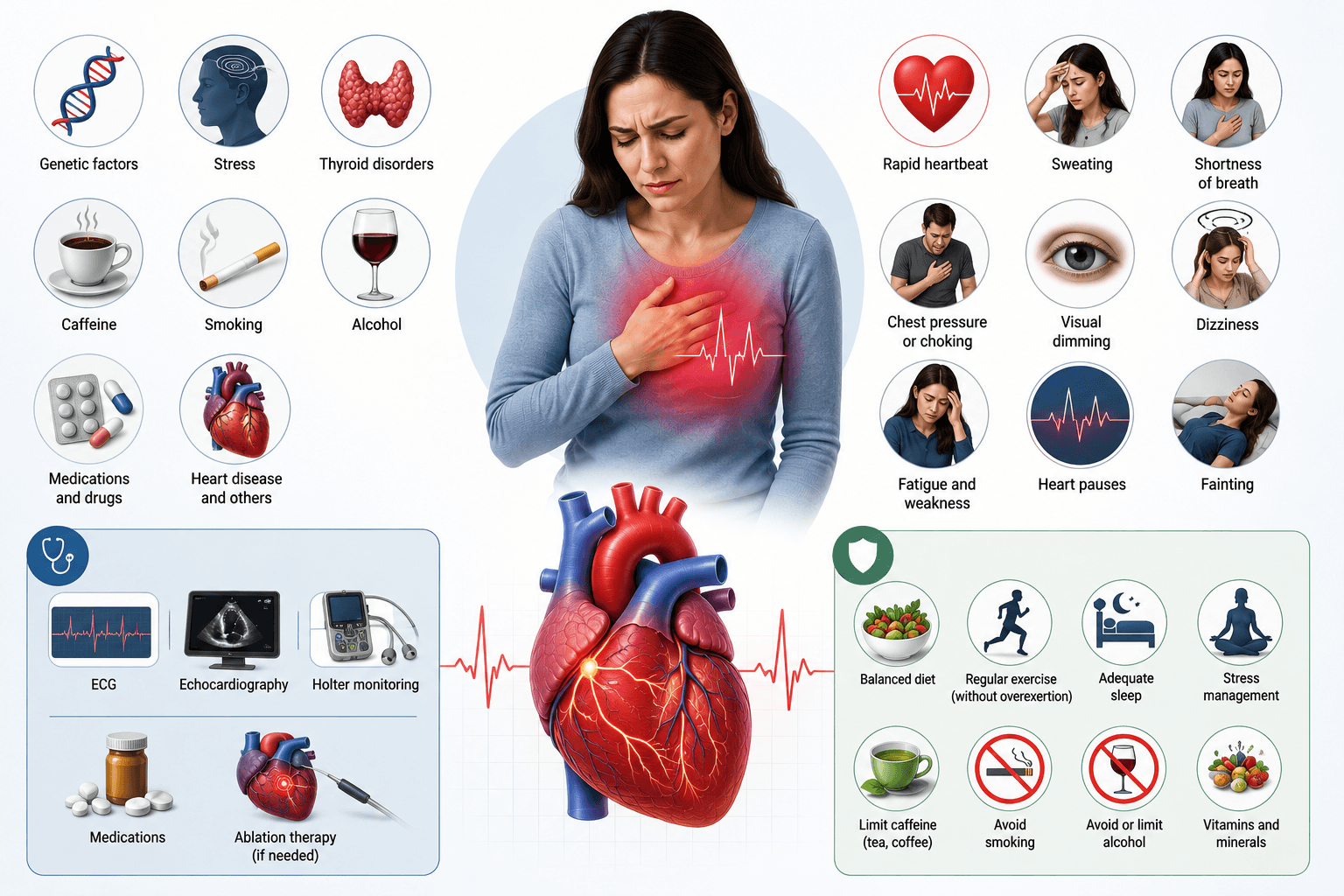
What Is Heart Palpitation (Tachycardia)?
Heart palpitation/tachycardia refers to the heart beating at a fast or irregular rhythm, with a heart rate exceeding 100 beats per minute. The normal heart rate for an average adult ranges between 60–100 beats per minute, and during sleep, the heart rate may drop below this range. The heart has an electrical conduction system similar […]
January 24, 2026
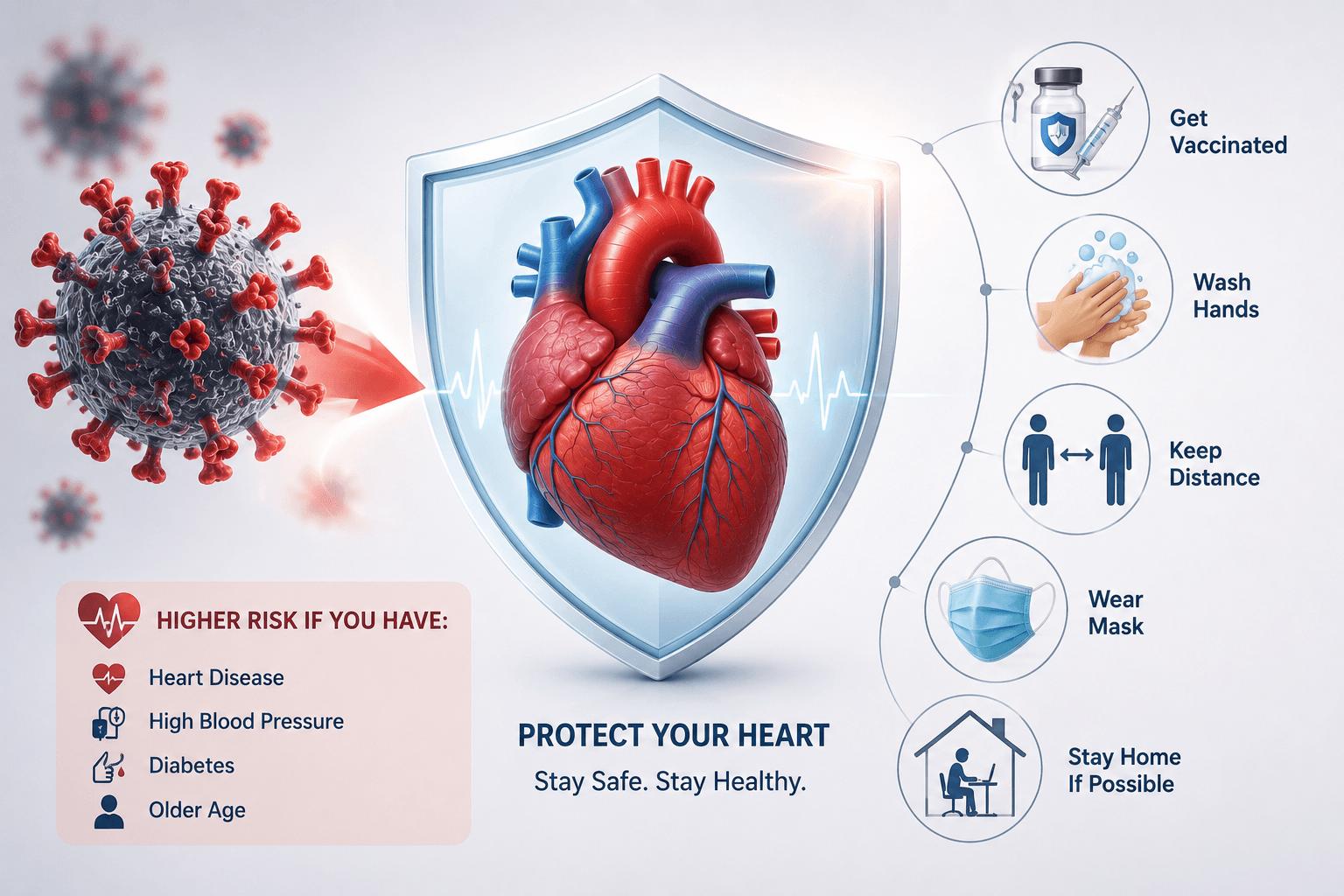
COVID-19 AND HEART DISEASES
Coronavirus disease 2019 (COVID-19) is a viral infection caused by severe acute respiratory syndrome coronavirus 2 (SARS-CoV-2). It was first identified in December 2019 in Wuhan, China, and rapidly evolved into a global health crisis. Among patients with severe COVID-19 symptoms, hypertension (HT) is present in 58%, cardiovascular disease in 25%, and arrhythmias in 44%. […]
January 24, 2026
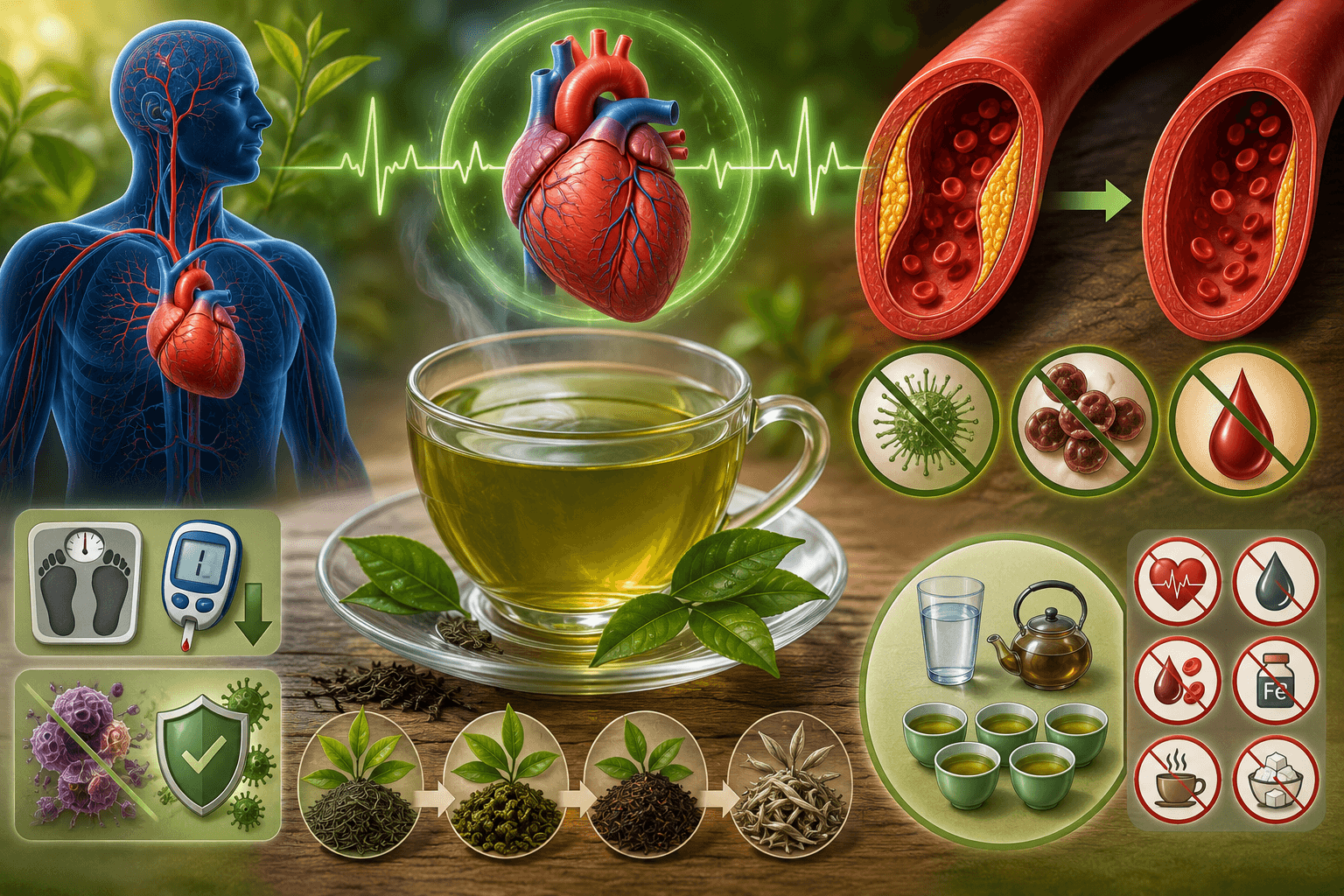
The Effects of Tea on Cardiovascular Diseases
Cardiovascular diseases involving the vessels that nourish and surround the heart are referred to as coronary heart disease or coronary artery disease (CAD). When stroke is added to coronary heart disease, the condition is classified as cardiovascular diseases (CVD). It is well known that arterial stiffening in the heart shortens lifespan and contributes to heart […]
January 24, 2026
What Is Hypertension? What Are Its Symptoms and Treatment Methods?
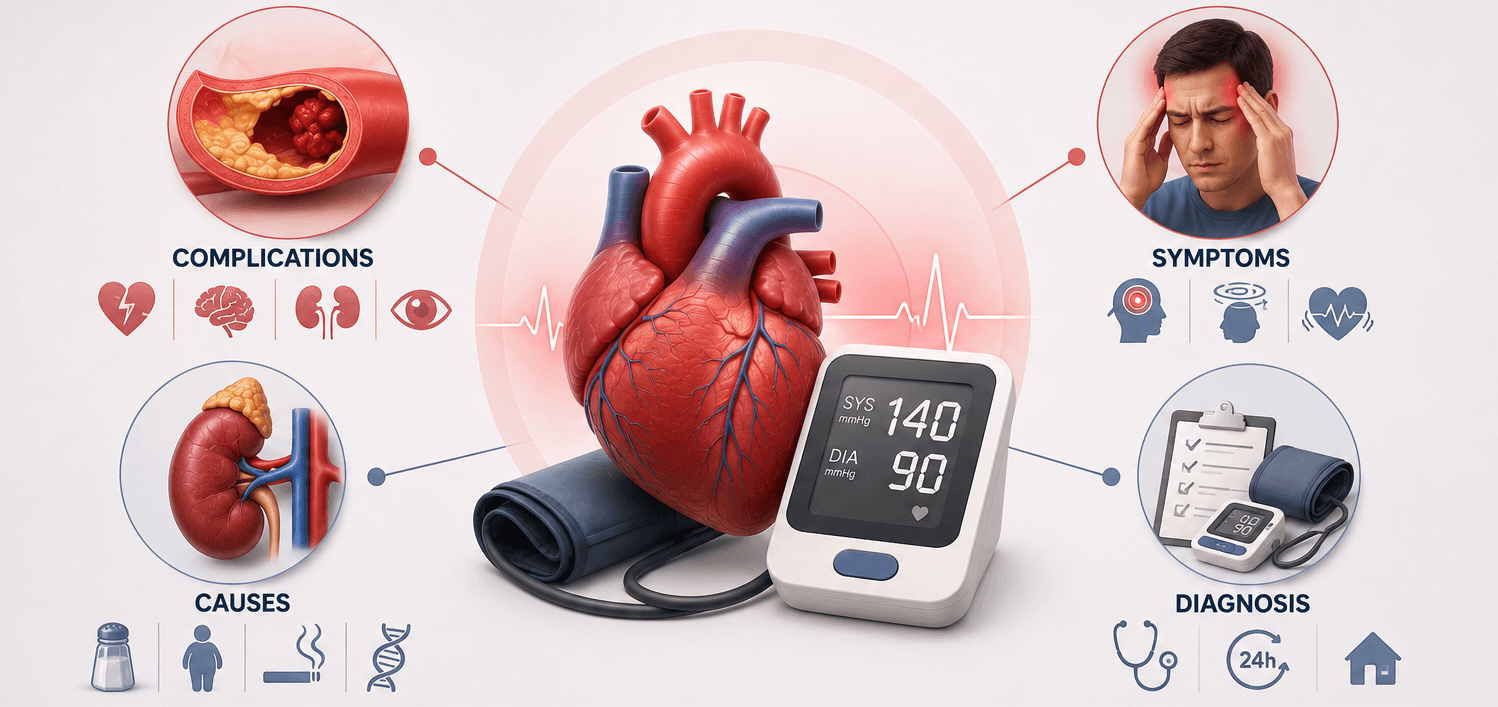
What is hypertension or high blood pressure, and what causes it? Blood pressure is the force exerted by the blood on the vessel walls as the heart pumps it. When this pressure is above the desired levels, the condition is defined as hypertension. Approximately 20% of the population has hypertension; this rate increases to about […]
January 24, 2026
Broken Heart Syndrome
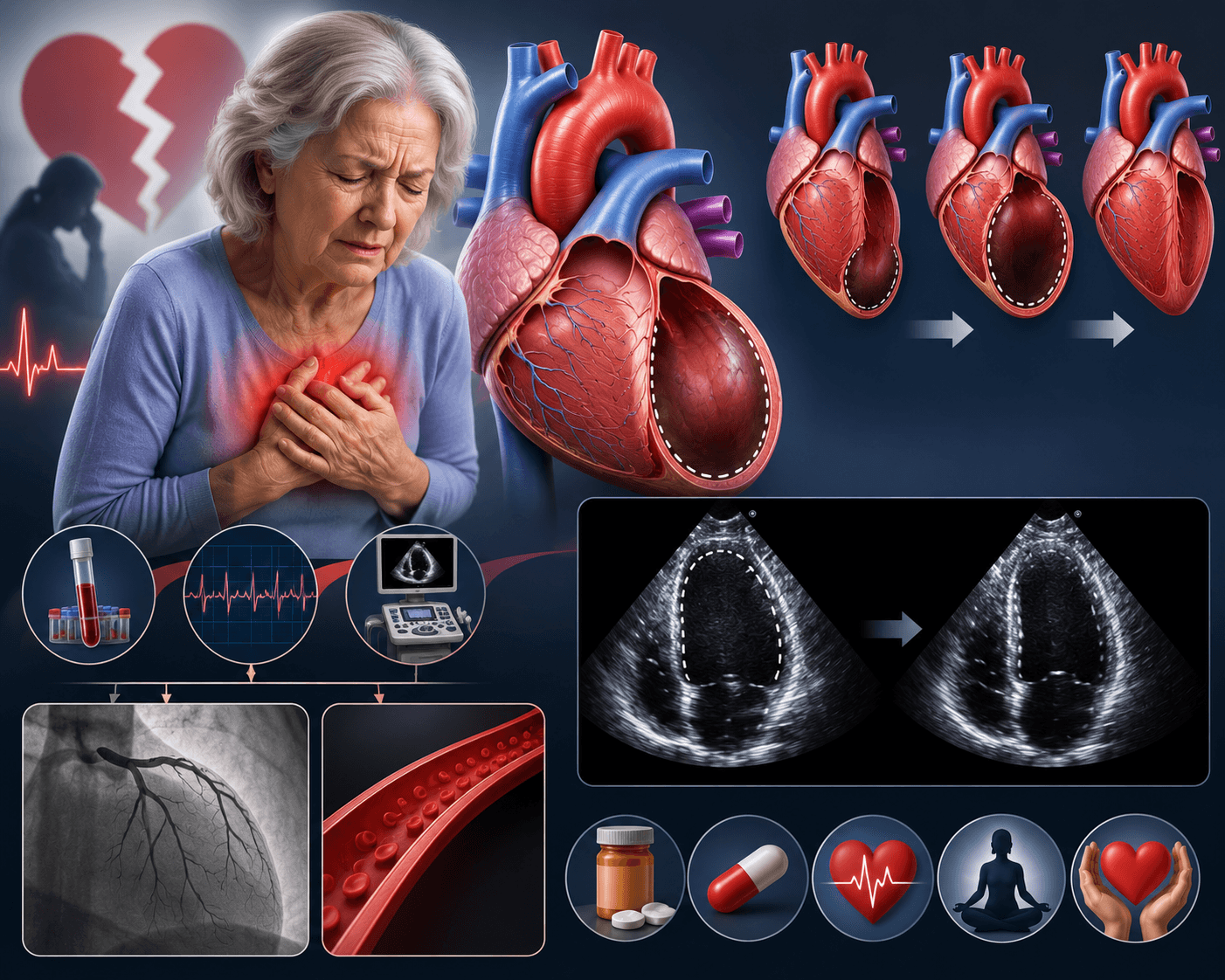
Takotsubo cardiomyopathy is a rare condition characterized by myocardial infarction–like presentation and left ventricular dysfunction in the absence of coronary artery lesions. This disease was first identified in Japan in 1990. It is generally benign and shows a full recovery rate of approximately 95%. This pathology is also referred to as stress-induced cardiomyopathy, ampulla cardiomyopathy, […]
January 24, 2026
CARDIOVASCULAR DISEASES
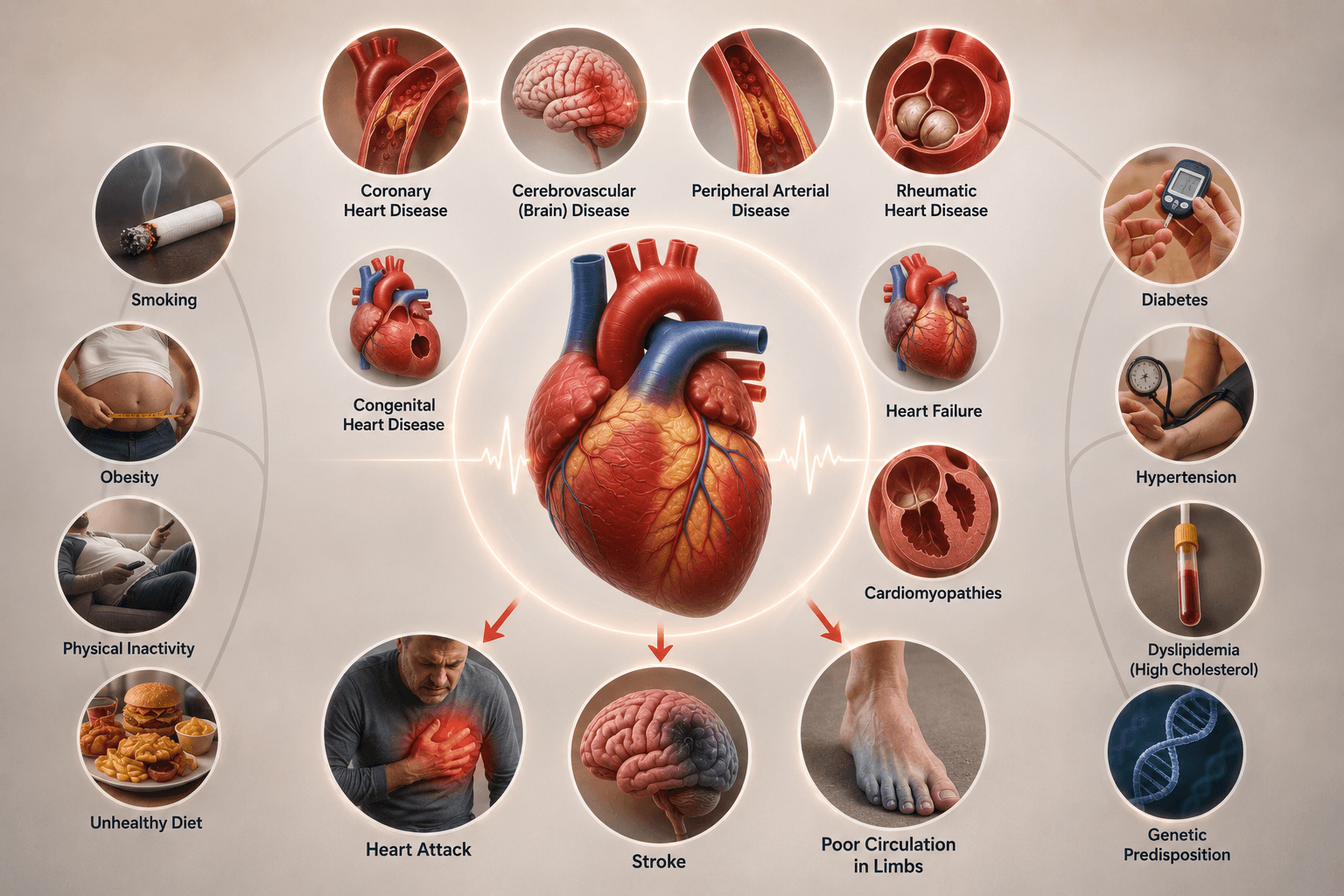
Cardiovascular diseases include coronary heart diseases, cerebrovascular (brain) diseases, hypertension, peripheral arterial disease, rheumatic heart diseases, congenital heart diseases, heart failure, and cardiomyopathies. The development of cardiovascular diseases is associated not only with unhealthy lifestyle behaviors such as tobacco use, physical inactivity, and unhealthy diets that may lead to obesity, but also with medical conditions […]
January 24, 2026
The Effects of Garlic on Cardiovascular Diseases
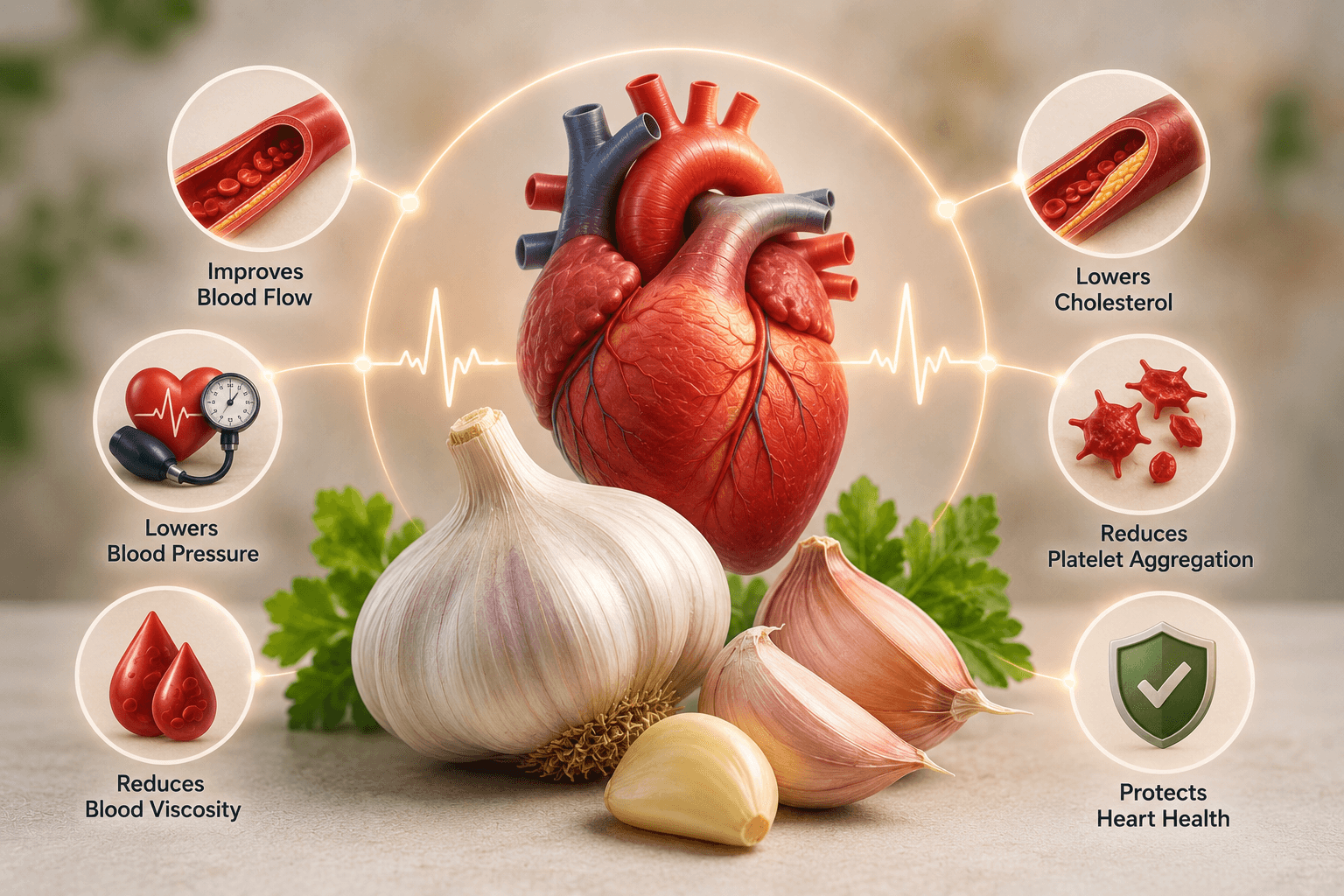
Garlic is one of the most widely used medicinal plants worldwide, both as part of the daily diet and for disease prevention and treatment. Throughout history, garlic has been considered an important plant by major civilizations. In Ancient Egypt, laborers constructing the pyramids were given garlic to enhance their strength and endurance. Many diseases were […]
January 24, 2026
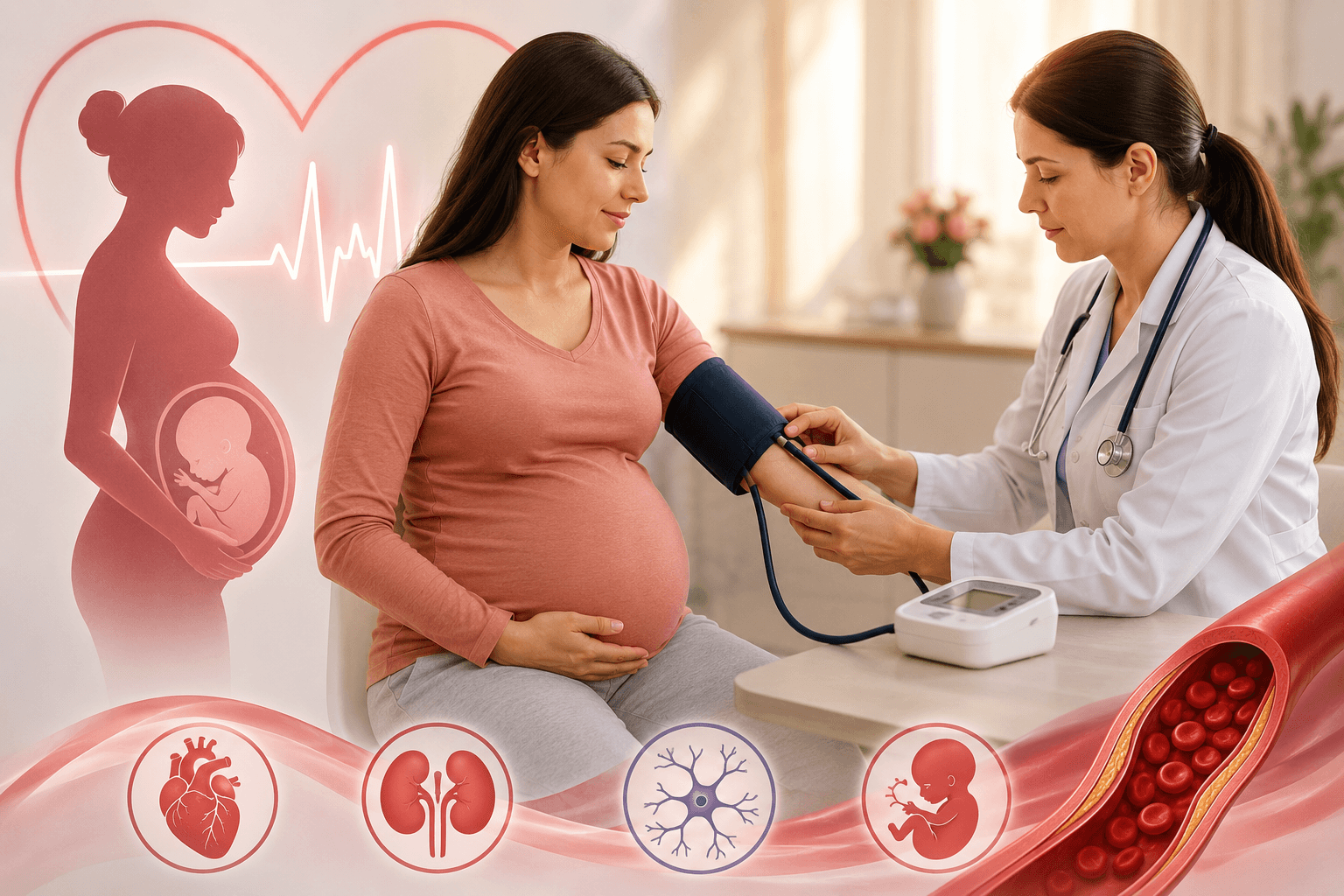
Pregnancy and Hypertension
Hypertension is a major risk factor for ischemic and hemorrhagic stroke, myocardial infarction, heart failure, and chronic kidney disease in mothers. Although the number of pregnancies is decreasing in both developed and developing societies, maternal age is increasing. It is the second most common cause of maternal mortality in developed countries. From a fetal perspective, […]
January 24, 2026
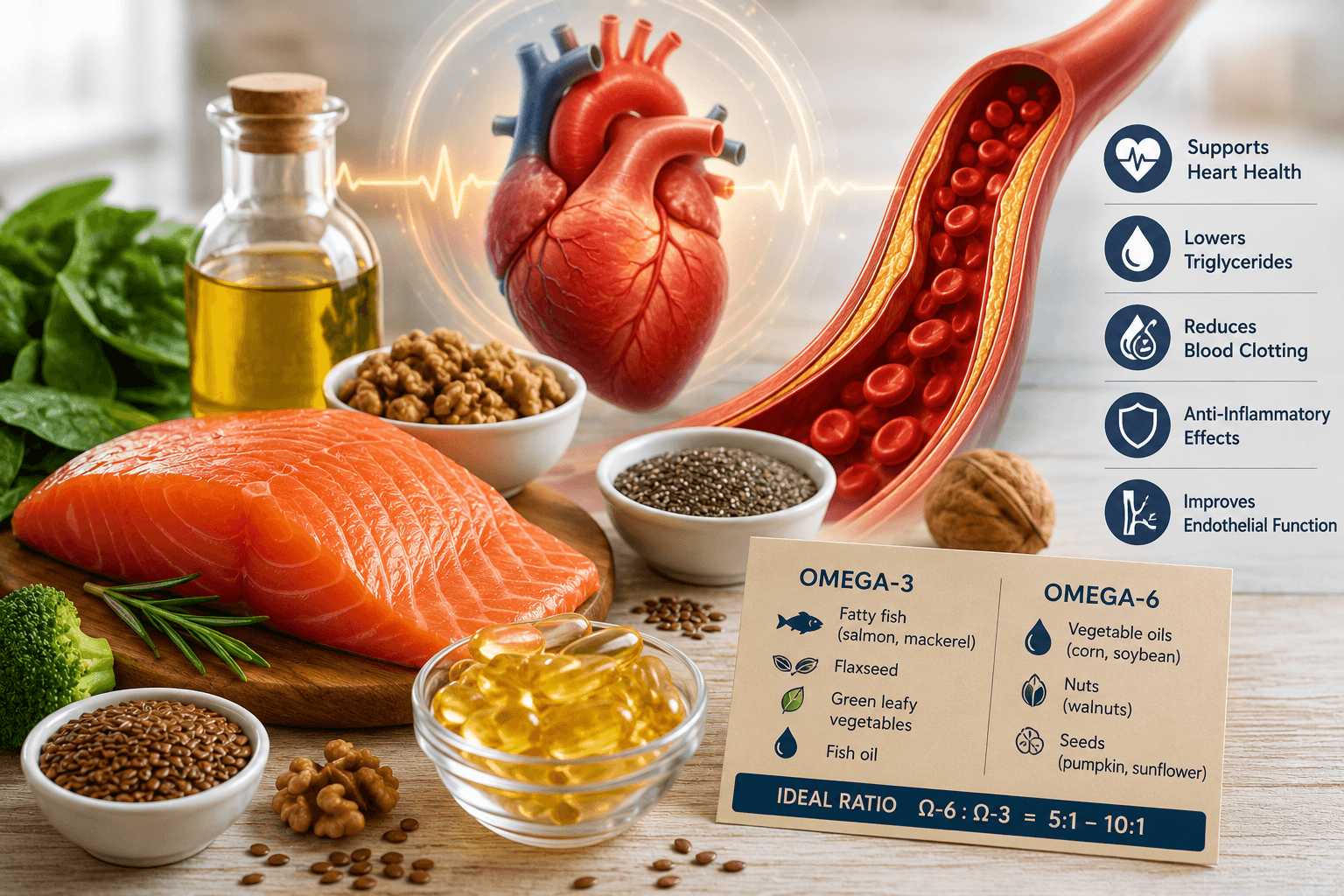
Cardiovascular Effects of Omega-3 and Omega-6 Fatty Acids
Essential fatty acids (EFAs) are fatty acids necessary for life in humans and other mammals. Because they cannot be synthesized by the body, they must be taken in through diet. Omega, the last letter of the Greek alphabet, means “the end.” Omega-3 (alpha-linolenic acid) and omega-6 (linoleic acid) fatty acids play important roles in brain […]
January 24, 2026
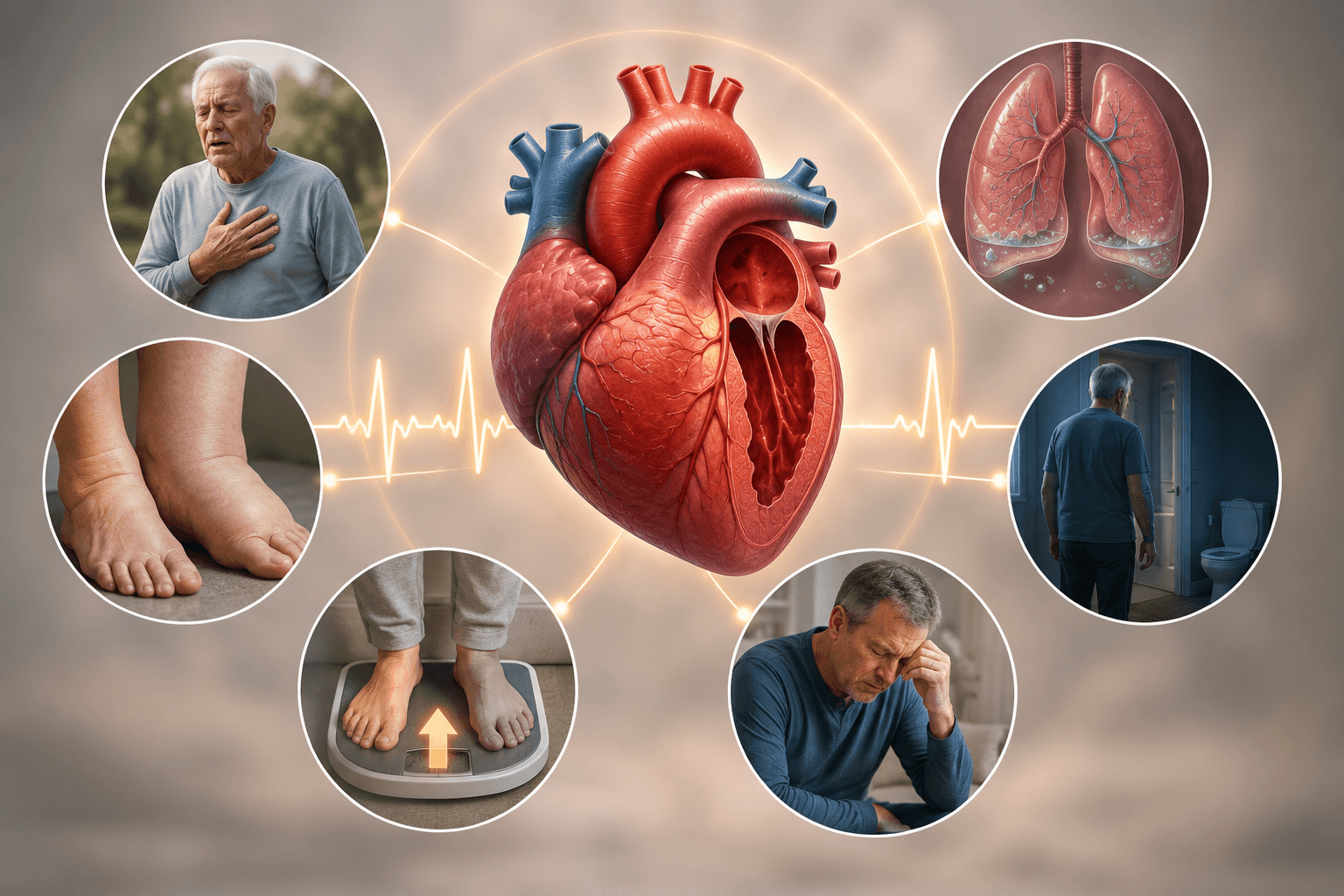
WHAT IS HEART FAILURE?
Heart failure is a serious condition in which the heart cannot pump enough blood to meet the body’s needs, resulting in fluid accumulation in the lungs and various parts of the body. Heart failure is not a single disease but a clinical syndrome that can occur due to many different causes; in other words, it […]

January 24, 2026
Effects of Black Seed on Cardiovascular and Other Diseases
Black seed has been one of the most important medicinal plants used throughout history. Modern studies have demonstrated that black seed and its bioactive components possess antioxidant, antidiabetic, antibacterial, anticancer, antifungal, antitumoral, anticonvulsant, anti-inflammatory, anti-ulcer, hypoglycemic, and immune-enhancing properties. Belonging to the Ranunculaceae family, black seed is widely cultivated in North Africa, Central Asia, Southern […]
January 24, 2026
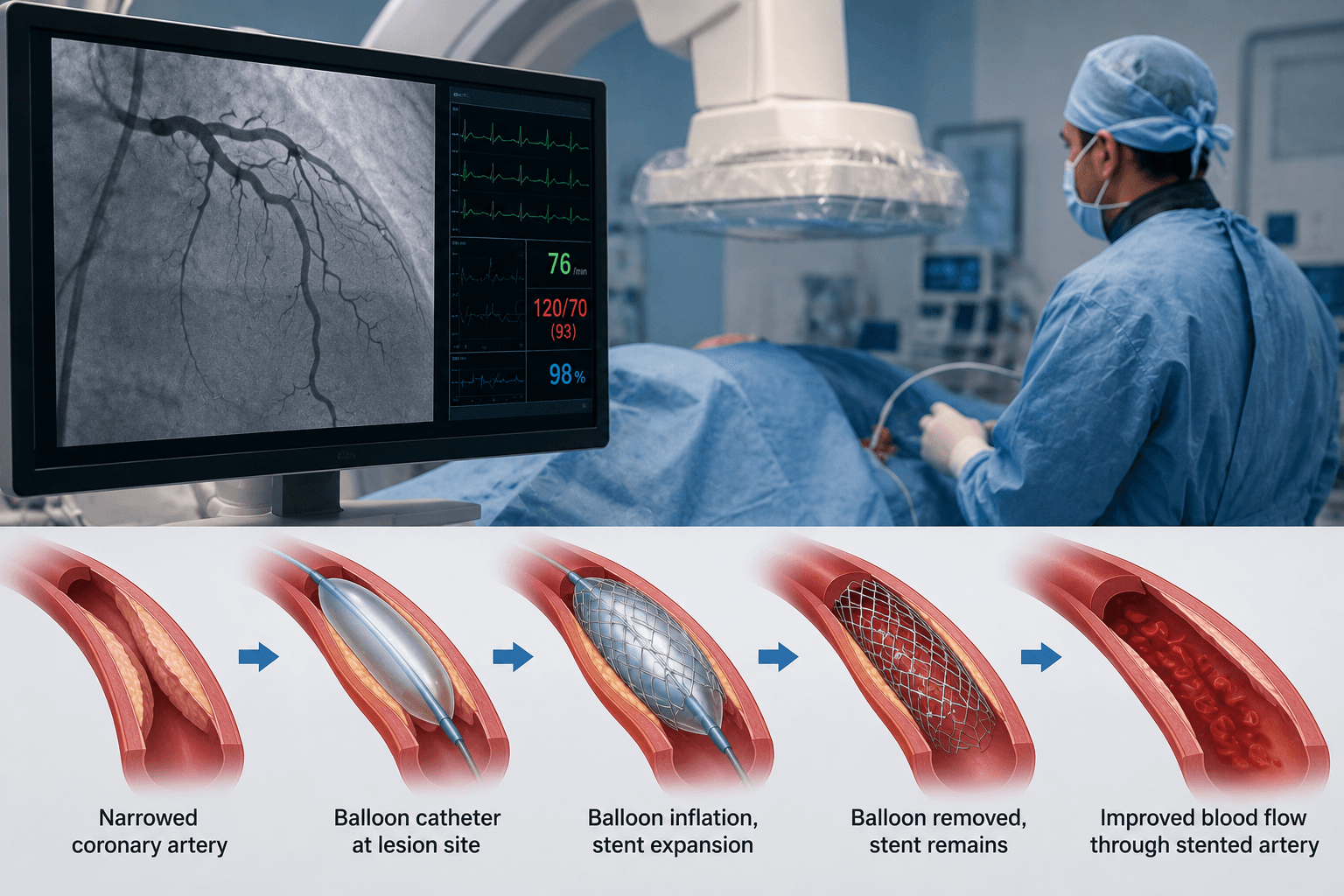
Coronary Angiography and Balloon–Stent Procedures in Coronary Artery Disease
Coronary artery disease (CAD) refers to conditions in which the coronary arteries—responsible for supplying blood to the heart muscle—become narrowed or blocked, leading to partial or complete disruption of coronary blood flow. Various tests are used in the diagnosis of CAD, including ECG, blood tests, exercise stress testing, echocardiography, nuclear cardiology imaging, magnetic resonance imaging, […]
January 24, 2026
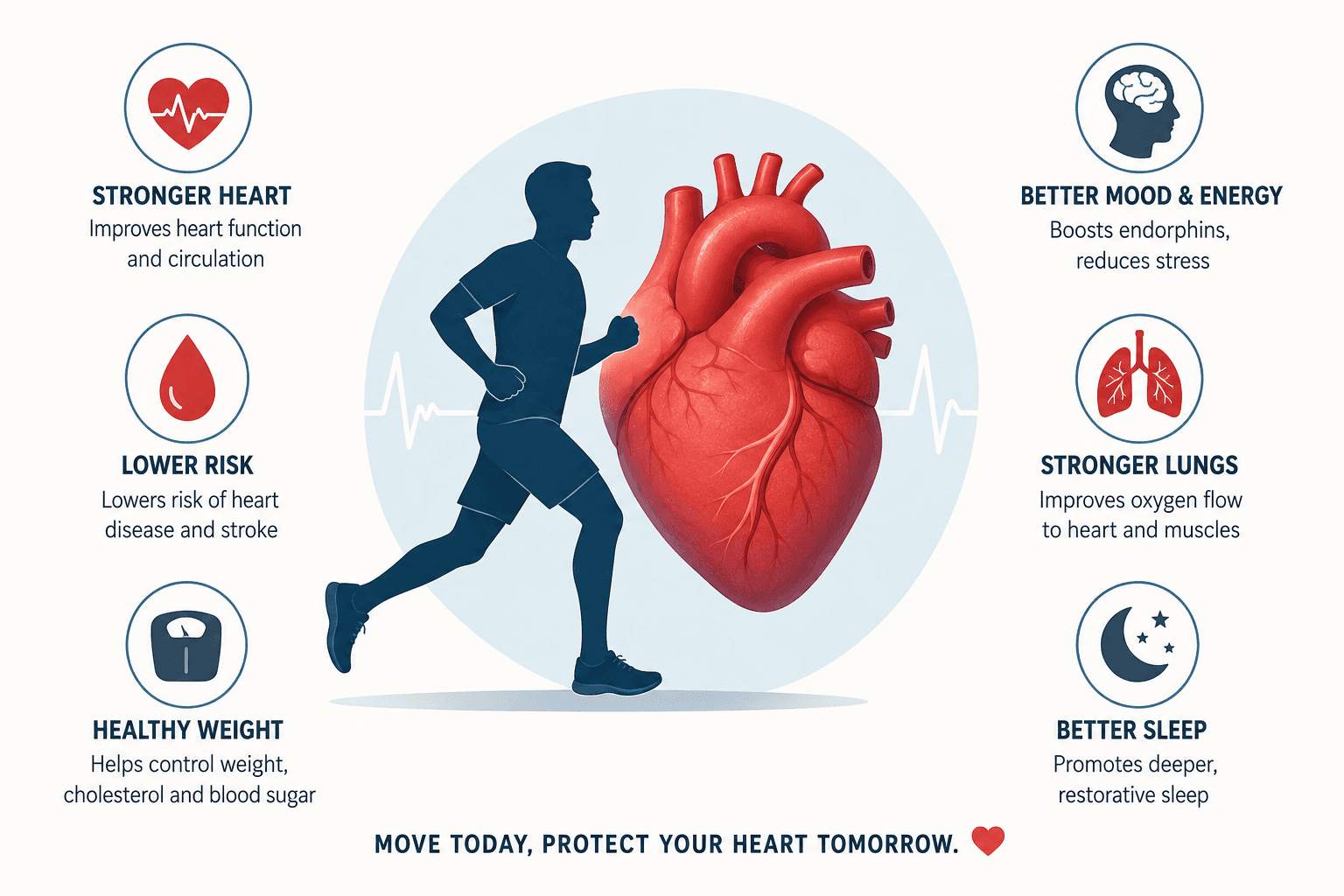
Exercise and the Heart
Exercise has numerous positive effects on the heart. With regular physical activity, the heart’s resting stroke volume increases significantly. As a result, the heart can pump more blood with each beat while working more slowly. Regular exercise improves blood circulation to the heart, lungs, brain, and muscles. Consequently, high blood pressure normalizes, and the risk […]

January 24, 2026
AGING AND CARDIOVASCULAR DISEASES
Today, due to the increase in life expectancy, the elderly population is growing steadily. Aging is a natural and inevitable stage of life, just like childhood and adulthood. The World Health Organization (WHO) defines individuals aged 65 years and older as elderly, and those aged 85 and older as very elderly. Worldwide, declining birth rates, […]
January 24, 2026
CHEST PAIN
In adults, chest pain is often caused by cardiac conditions, whereas in children and adolescents, the cause is most frequently non-cardiac. Chest pain consistent with coronary artery obstruction is typically described as retrosternal, located behind the sternum, and expressed by patients as discomfort, heaviness, tightness, pressure, or constriction. The pain usually increases gradually over the […]
January 24, 2026
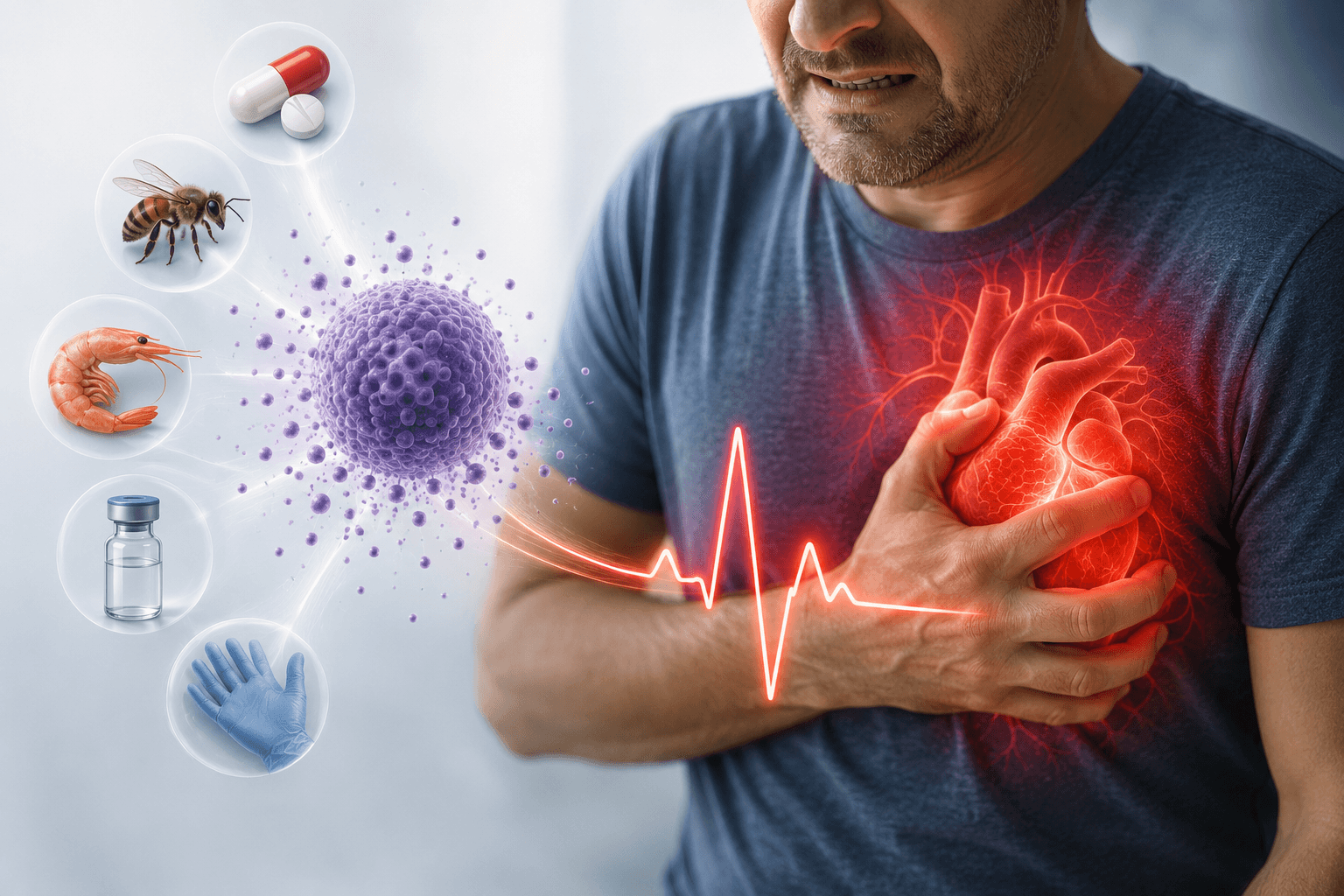
ALLERGY-INDUCED HEART ATTACK (Kounis Syndrome)
Kounis syndrome is defined as the simultaneous occurrence of an acute coronary syndrome (ACS) together with allergy, hypersensitivity, anaphylaxis, or anaphylactoid reactions. It was first described in 1991 by Dr. Nicholas Kounis as allergic angina. Although the exact mechanisms are not fully understood, the syndrome is mediated by inflammatory mediators released by cardiac or thrombus-associated […]
January 24, 2026
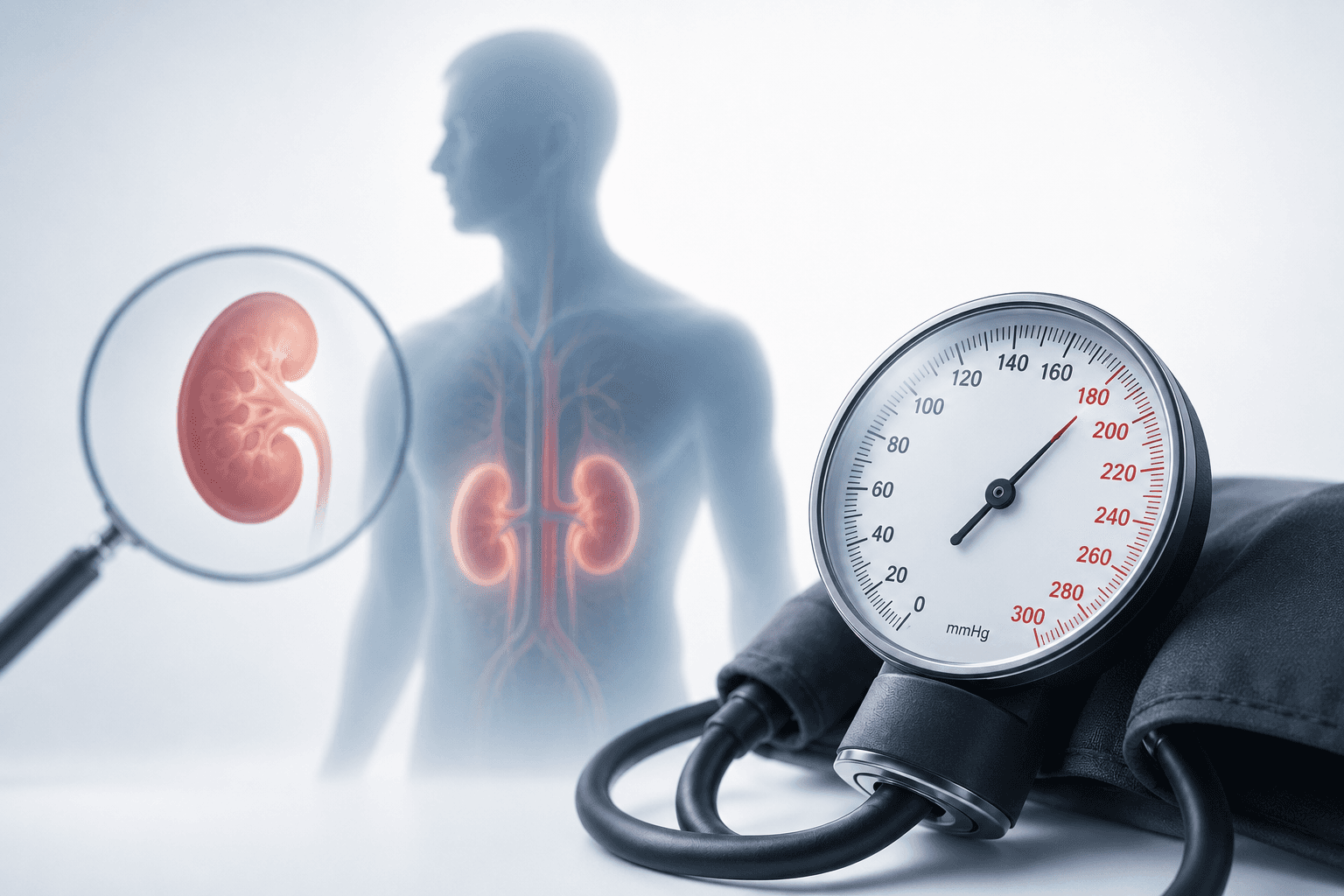
Secondary Hypertension
Hypertension is the most common risk factor for cardiovascular mortality and represents a major public health issue. In Turkey, the most recent study on hypertension, the PatenT-2 study, reported a prevalence of 30.3%. Although the most frequently encountered form is essential hypertension—of unknown cause and often associated with family history and obesity—secondary hypertension (SH) accounts […]

January 24, 2026
Interval Walking Training: Health Effects According to Hiroshi Nose’s Scientific Studies
Interval Walking Training is an exercise method developed by Japanese scientist Prof. Dr. Hiroshi Nose, designed especially to improve the physical health of middle-aged and older adults. This method involves alternating periods of fast and slow walking for specific durations. Recent scientific research has shown that it has positive effects on cardiovascular health, muscle strength, […]
January 24, 2026
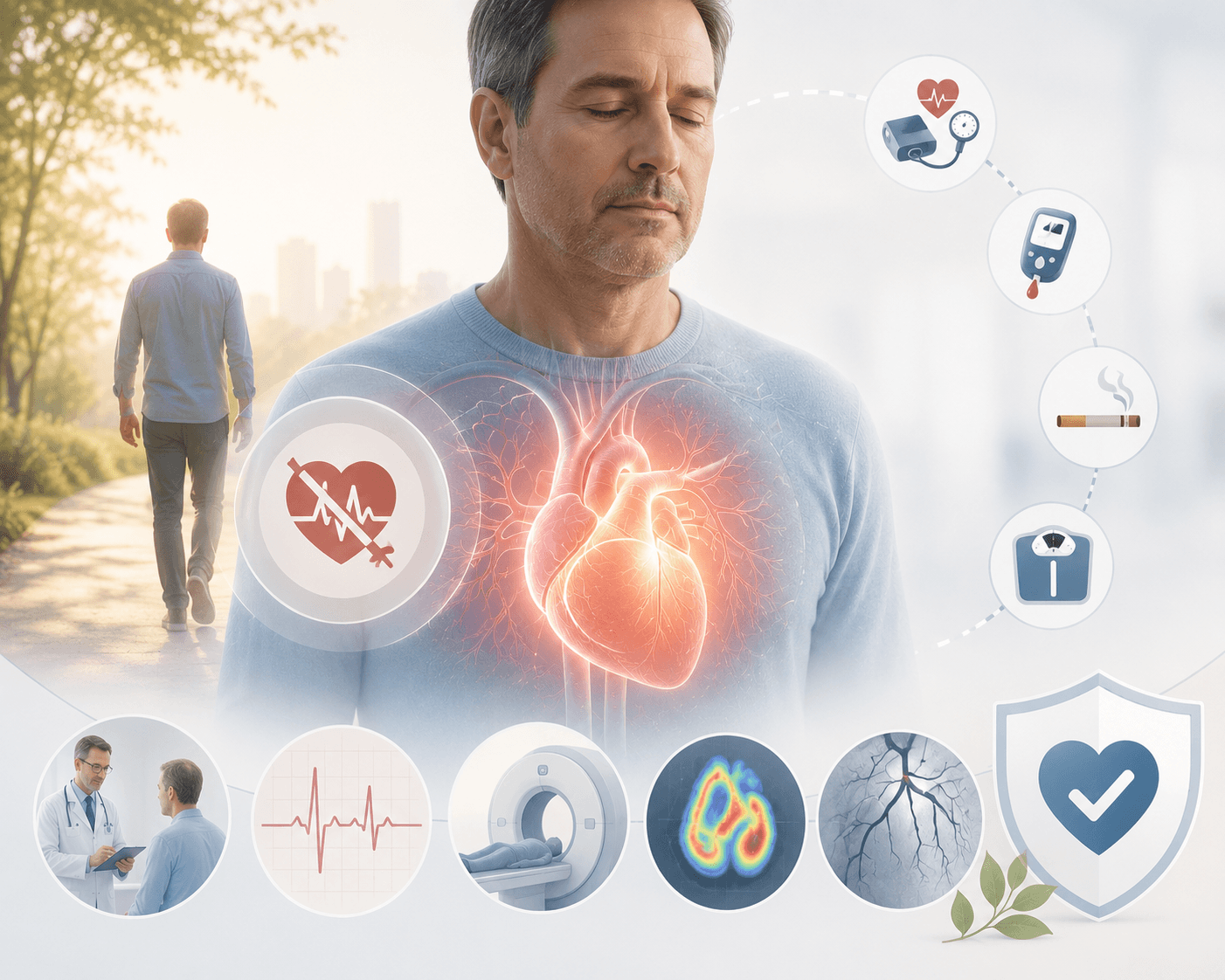
What Is Silent Heart Disease?
Silent heart disease refers to the presence of significant cardiovascular pathology that does not produce noticeable symptoms. This concept generally encompasses silent coronary artery disease, in which the condition progresses quietly without the classic signs of heart problems. Its causes relate both to individual risk factors and to the natural course of the disease. Major […]
January 24, 2026
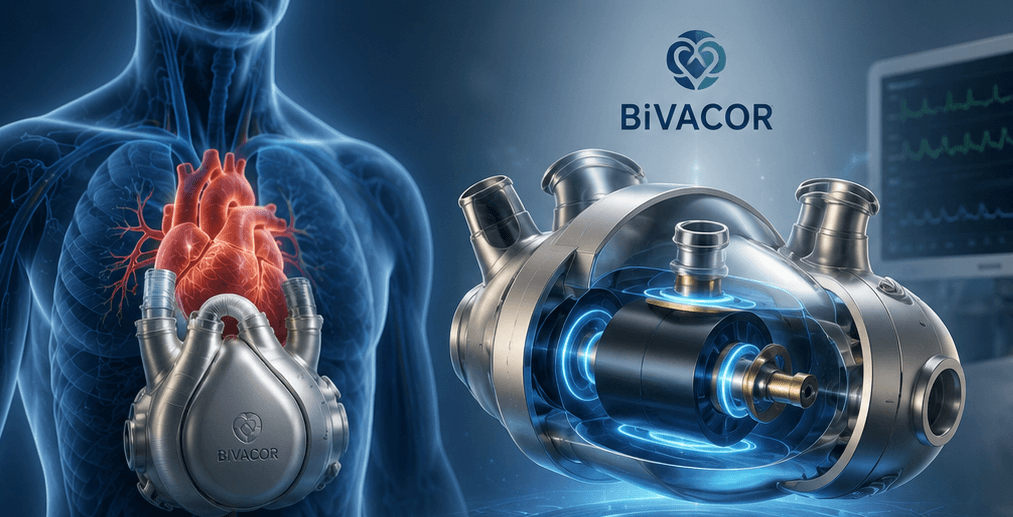
A New Era in Heart Failure Treatment with the MAGLEV-Based BiVACOR Artificial Heart
For patients with end-stage heart failure, artificial hearts have long been used as bridge-to-transplant therapies. However, conventional systems are typically valve-based, air-driven, and dependent on external drivers. In 2024, the BiVACOR artificial heart implanted in Australia drew global attention as the first valveless total artificial heart equipped with magnetic levitation (MAGLEV) technology. This article compares […]
January 24, 2026
Heart and Mind: An Inseparable Duo
When we think of cardiology, most of us picture arteries, rhythms, blood pressure, or cholesterol. However, the European Society of Cardiology’s newly released 2025 Clinical Consensus Statement: Mental Health and Cardiovascular Disease strongly reminds us of a crucial point we often overlook: the heart and mind cannot be considered separately. Depression, anxiety, chronic stress, and […]
January 24, 2026
The Lifestyle That Exhausts Our Hearts
Heart disease — the silent killer of the modern age — is no longer knocking only on the doors of older adults. It is increasingly affecting the young as well. According to the World Health Organization, nearly 18 million people die each year from cardiovascular diseases.Four out of five of these deaths are caused by […]
January 24, 2026
A Virus Everyone Should Know: RSV and Its Vaccine
In recent months, there has been a noticeable increase in the number of patients experiencing upper respiratory tract infections. With the onset of colder weather, common viral infections such as the flu and the common cold have become more widespread. In addition, illnesses caused by RSV (Respiratory Syncytial Virus) are increasingly seen in the community. […]

January 24, 2026
Muscle Diseases and the Heart’s Silent Drama
In society, many people associate muscle diseases solely with difficulty walking, weakness, or the use of a wheelchair. Yet these conditions have an invisible but vital dimension: the heart. Because the heart is also a muscle. Genetic or metabolic disorders that strike skeletal muscles often affect the heart muscle as well. This is why muscle […]